2 hr 30 min
Bruges Canal Cruise, Chocolate Tasting & Walking Tour
Explore medieval lanes, glide along canals, and savor handcrafted chocolates with a local guide
Reserve
Hand-picked by our editors — only the best 5 experiences from 47 reviewed.
Verified partners for every tour, free cancellation where available, and instant confirmation on every booking.
2 hr 30 min
Explore medieval lanes, glide along canals, and savor handcrafted chocolates with a local guide
Reserve
3 hr
Uncover medieval Bruges with a local guide, savor Belgian chocolate, and upgrade with a canal boat ride or craft beer flight.
Reserve
1 hr
Craft Belgian chocolates by hand under expert guidance, then explore 4,000 years of cocoa history.
ReservePrices from verified partners. Availability updates in real time at checkout. Free cancellation policies apply where shown.
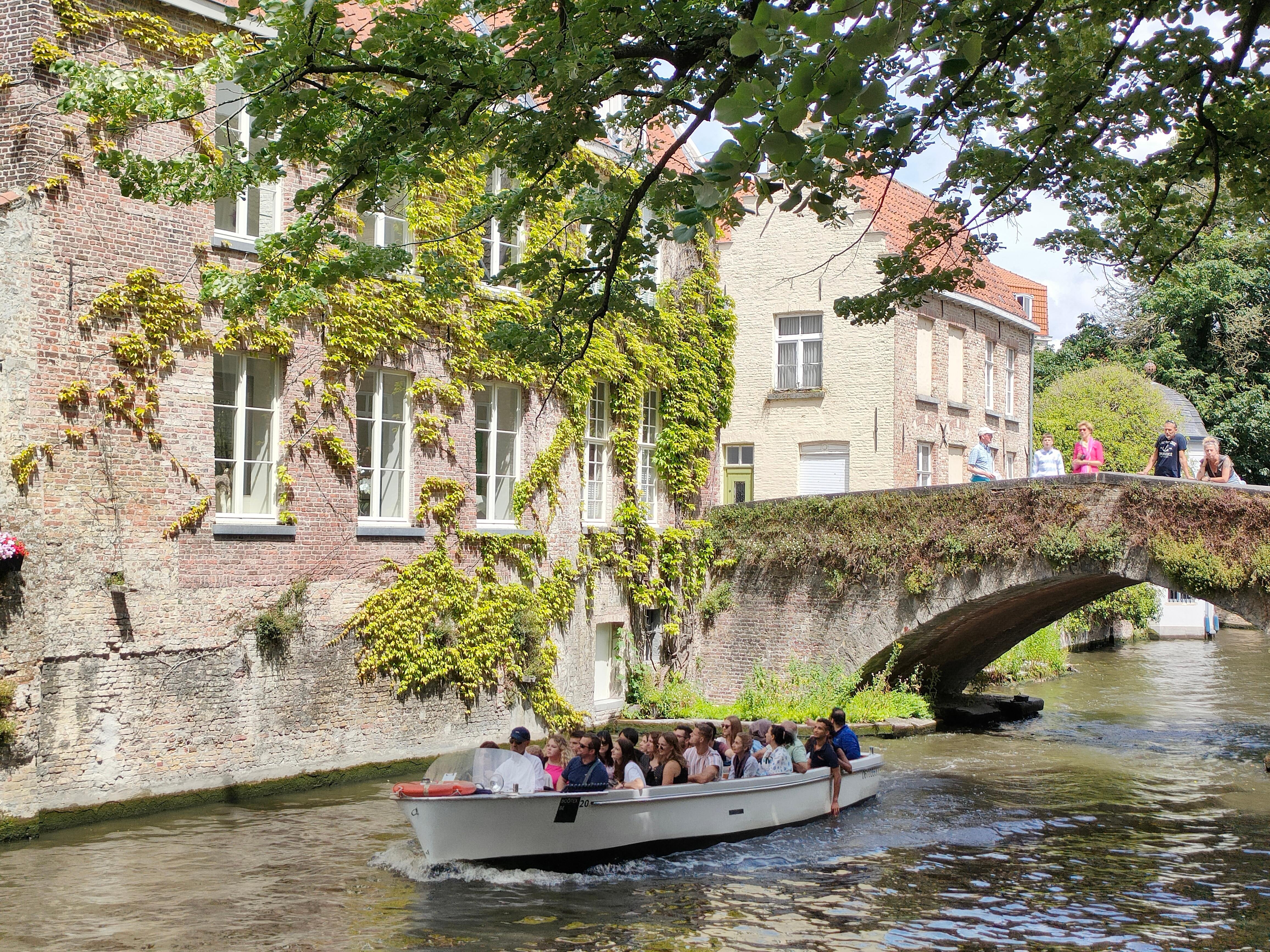
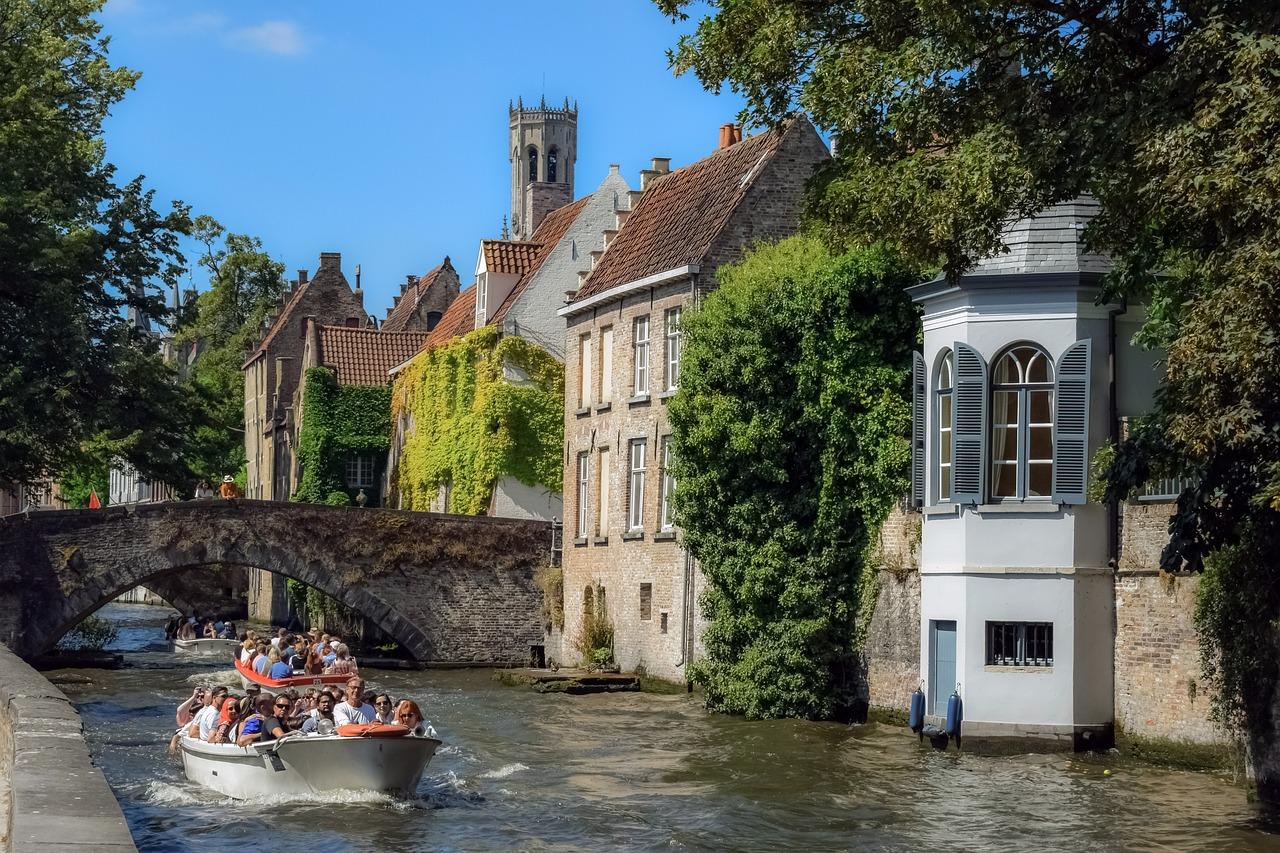
The landmarks, rooms, and views travelers on this tour remember — all visible on a single visit.
Discover the 5,500-year history of cacao and its ritualistic use by ancient civilizations.
They serve different purposes; Choco-Story Bruges provides a comprehensive museum journey, while The Old Chocolate House focuses on artisanal consumption and a traditional cafe setting. You should choose based on whether you want a historical bruges chocolate making tour or a relaxed indulgence session.
| Feature | Top pick Choco-Story Bruges | The Old Chocolate House |
|---|---|---|
Primary focus |
Museum and production education | |
Interactive elements |
Live demonstrations for visitors | |
Demonstration style |
Structured museum exhibits | |
Atmosphere |
Informative and industrial | |
Ideal for |
History enthusiasts and families | |
| See tickets → |
Verdict: Select Choco-Story Bruges if you seek a structured educational visit, or opt for The Old Chocolate House when you prefer a cafe-based tasting experience with your bruges chocolate making tour tickets.
Choose your ticket, select your date, and reserve in under two minutes. Secure checkout handled by our verified partner.
Instant confirmation by email, with a mobile voucher you can save offline. No printing, no queuing at a collection desk.
Arrive at the entrance, show your voucher on your phone, and walk in. Most tickets include priority or skip-the-line access.
Practical details for your visit straight from our verified partners — hours, access, rules, and how to get there.
No specific dress code is required for your visit. Comfortable walking shoes are recommended for exploring the historic streets of Bruges.
Large backpacks are prohibited within the exhibit areas. A small open cloakroom is available for personal items at your own risk.
Photography is generally permitted for personal use during your bruges chocolate making tour experience. Please be respectful of other guests and refrain from using flash in the demonstration areas.
The museum is only partially accessible for people in wheelchairs. There are 4 steps at the entrance and no ramp is available.
Children are welcome to engage with the interactive displays during your bruges chocolate making tour. A family-friendly atmosphere is maintained throughout the museum.
Samples are provided during the demonstration portion of the bruges chocolate making tour. Outside food and drink are not permitted inside the exhibition galleries.
Best time to go, insider tips, nearby landmarks, and the cancellation fine print — flip through to skim what matters to you.
Flexible, no hidden fees.
Individual tickets are non-refundable. Standard adult admission is 16 EUR.
Choco-Story Bruges occupies a 15th-century brick saaihalle — a cloth warehouse whose vaulted ceilings once sheltered Flemish wool traders before Belgium's chocolate mastery began. The museum opened in 2004 within walking distance of the Markt, anchoring a collection that spans Mayan cacao rituals, colonial trade routes, and the 1912 invention of the praline shell by Jean Neuhaus in Brussels. Its ground floor holds pre-Columbian grinding stones, 19th-century moulding presses, and a working tempering table where liquid couverture is spread, scraped, and crystallised under controlled temperatures. Bruges became a gateway for cacao imports in the 1600s, when Spanish galleons unloaded Venezuelan beans at Antwerp and Zeebrugge, funneling them through Flemish guild networks. By 1840, local confectioners had mechanised cocoa-butter extraction, transforming bitter drinking chocolate into smooth, moldable bars. The city's limestone cellars provided stable humidity for ageing ganache, and its canal-borne trade links ensured year-round supply of Ghanaian and Ecuadorian single-origin beans. Today, Belgium produces 220,000 tonnes of finished chocolate annually, with 60% destined for export — a dominance rooted in the quality standards codified by the Comité du Chocolat in 1981. Choco-Story's demonstration kitchen operates six days a week, guiding visitors through the praline-making process: tempering dark Callebaut couverture to 31°C, piping hazelnut gianduja into polycarbonate moulds, and capping each shell with a cocoa-butter seal. The museum's permanent exhibition traces cacao's journey from Olmec fermentation pits in 1500 BCE to the conching machines patented by Rodolphe Lindt in 1879, which reduced particle size to 18 microns and gave Swiss chocolate its signature melt. Visitors leave with a 12-piece box of their own pralines and a grounding in the chemistry that separates artisan chocolate from industrial confectionery — the difference between hand-tempered crystals and machine-stabilised fat blooms.
"Belgium's 220,000 tonnes of annual chocolate output rests on 19th-century mechanisation and guild-era quality standards that still govern praline shells today."
A step-by-step walkthrough of the visit — what you'll see, how long each stage takes, and the details that matter.
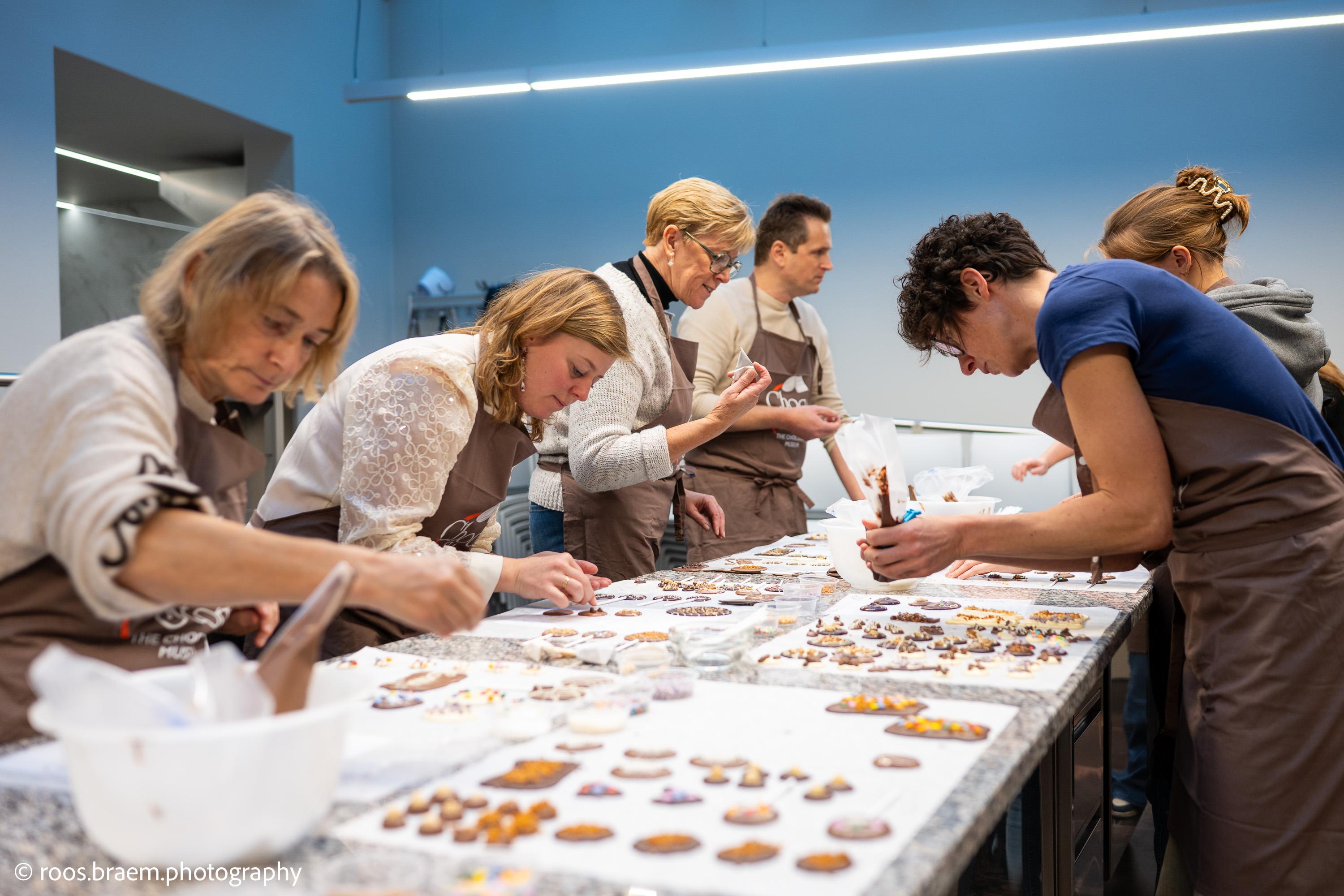
You arrive at Wijnzakstraat 2 mid-morning, when the museum's limestone façade catches oblique light through the canal mist. A guide ushers you past the ticket counter — €16 standard admission — and into the ground-floor gallery, where Mayan cacao grinders sit behind glass and a timeline stretches from Olmec rituals to Neuhaus's 1912 praline patent. You pause at the tempering table to watch liquid couverture being spread, scraped, and crystallised, the instructor explaining the 31°C threshold that locks cocoa butter into stable crystals. Upstairs, the demonstration kitchen smells of roasted hazelnuts and warm ganache. You don an apron, select a polycarbonate mould, and pipe dark gianduja into twelve cavities, tapping out air bubbles before capping each shell. The instructor passes around Venezuelan single-origin discs for tasting — 72% cacao, low acidity, notes of dried cherry. You seal your pralines, label the box, and descend to the museum shop, where shelves hold Callebaut couverture blocks and silicone molds. Outside, the canal tour departs from Rozenhoedkaai, a five-minute walk west, offering a floating view of the city's brick gables and stone bridges before the afternoon crowds arrive.
The museum is open daily from 10:00–18:00, with an ideal arrival window of 10:00–16:00.
Choco-Story Bruges is only partially accessible for wheelchairs due to 4 steps at the entrance and internal stairways.
Large backpacks are prohibited, though a small open cloakroom is available at Choco-Story Bruges.
Yes, personal photography is permitted, though please be mindful of other visitors during the demonstrations.
We recommend arriving between 10:00–16:00 mid-week to avoid peak crowds and ensure a full experience.
There is no formal dress code, but we suggest comfortable attire for walking through the historic district.
Yes, Choco-Story Bruges is a family-friendly venue suitable for all ages.
The museum is located at Wijnzakstraat 2, 8000 Brugge, easily accessible by walking from the central market square.
Tickets for a bruges chocolate making tour are generally non-refundable once purchased.