2 hr 30 min
Bruges Canal Cruise, Walking Tour & Chocolate Tasting
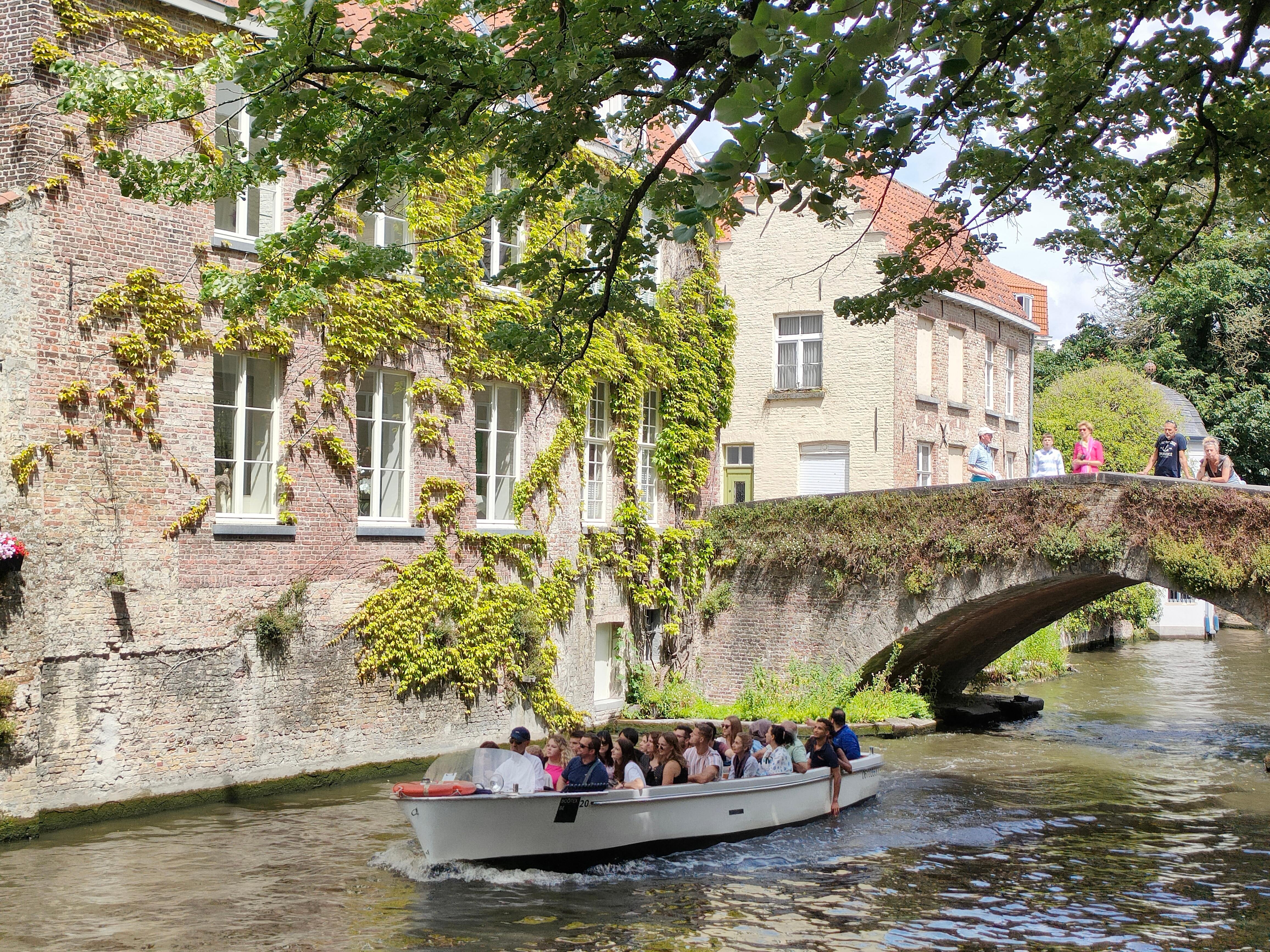
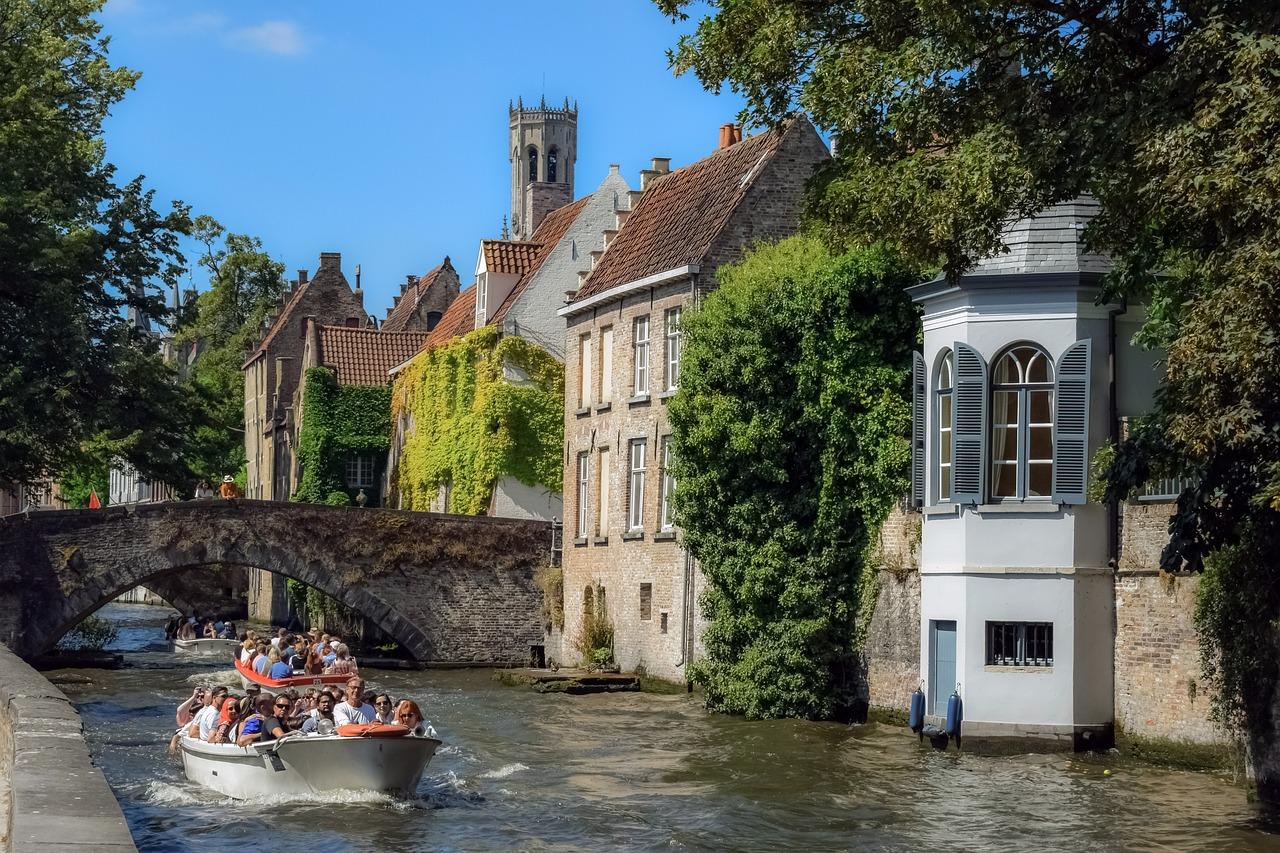
Glide through medieval waterways, explore hidden courtyards, and savor handmade chocolates with a local guide
Reserve
Where cacao history meets the chocolatier's bench, one praline at a time.
Hand-picked by our editors — only the best 3 chocolate experiences from 12 reviewed.
Verified partners for Bruges Chocolate Workshop tours, free cancellation where available, and instant confirmation on every booking.
2 hr 30 min
Glide through medieval waterways, explore hidden courtyards, and savor handmade chocolates with a local guide
Reserve
3 hr
Stroll through a UNESCO-listed medieval gem with a local guide, savor Belgian chocolate, and add canal cruises or beer flights.
Reserve
1 hr 30 min
Journey through 4,000 years of chocolate history with live demonstrations and tastings
ReservePrices from verified partners. Availability updates in real time at checkout. Free cancellation policies apply where shown.
The landmarks, rooms, and views travelers on Bruges Chocolate Workshop tours remember — all visible on a single visit.
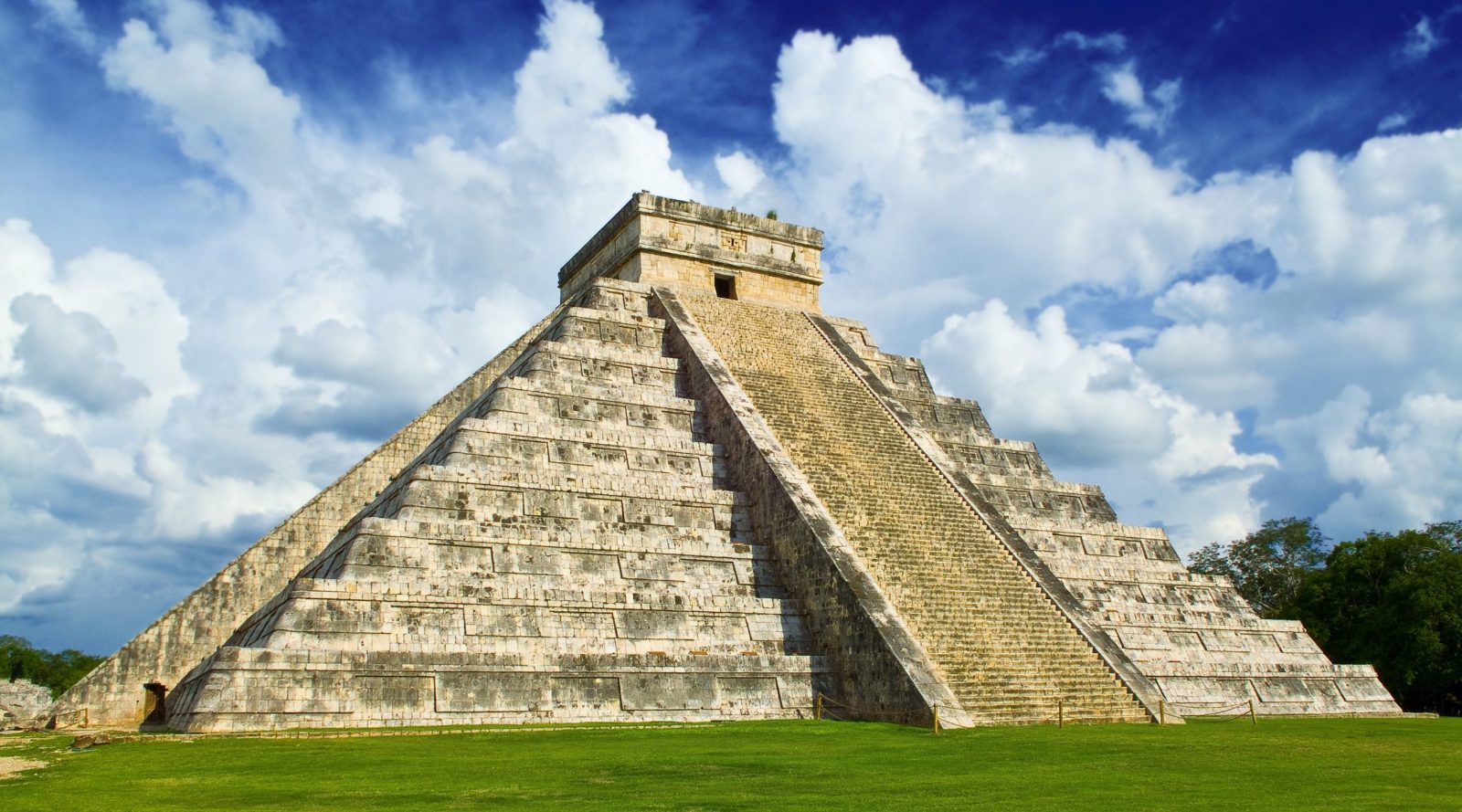
Explore the ancient roots of cocoa, where it was consumed as a bitter, spiced drink in ritualistic settings.
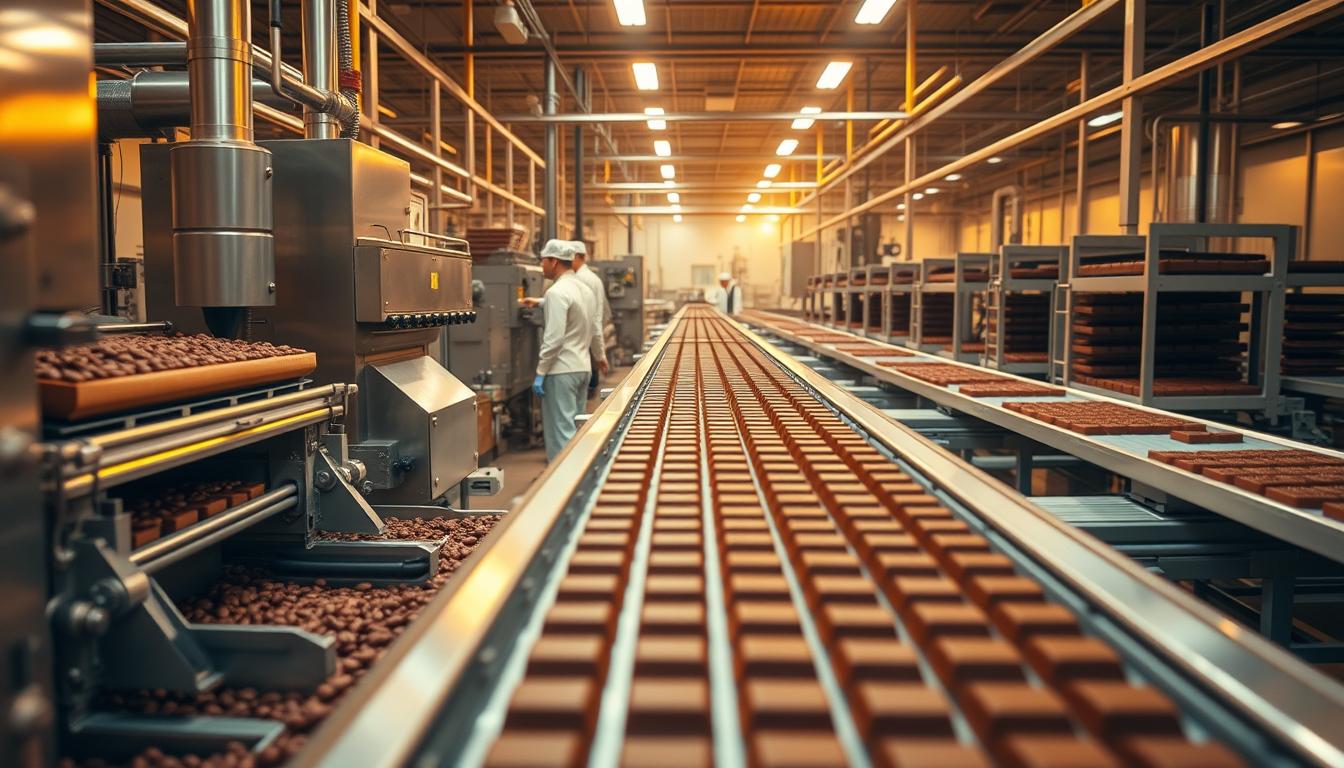
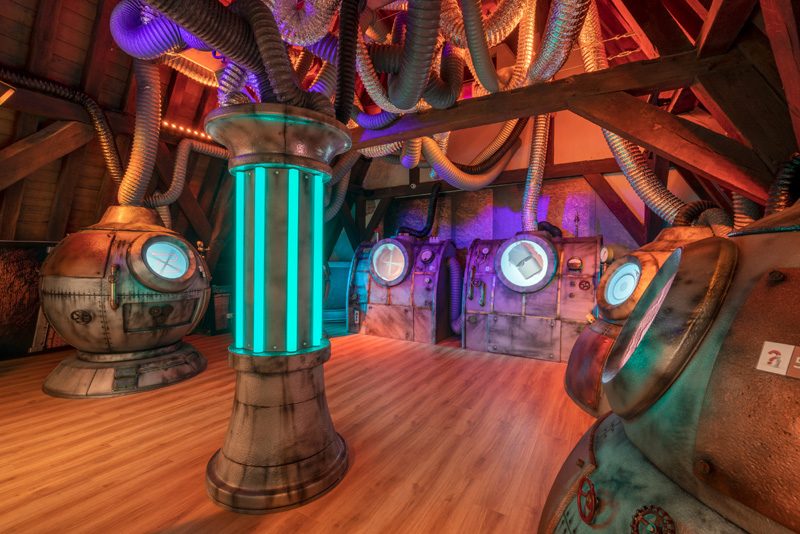
Follow the journey from bean to bar, observing modern conching and tempering techniques in action.
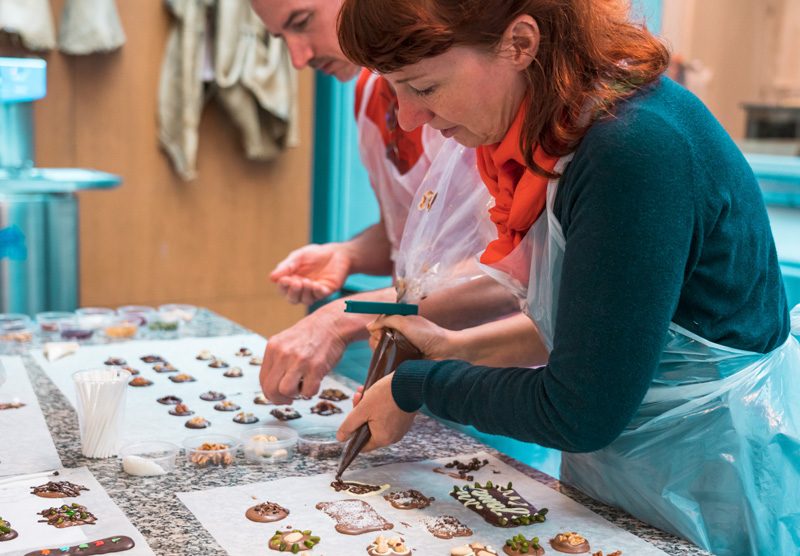
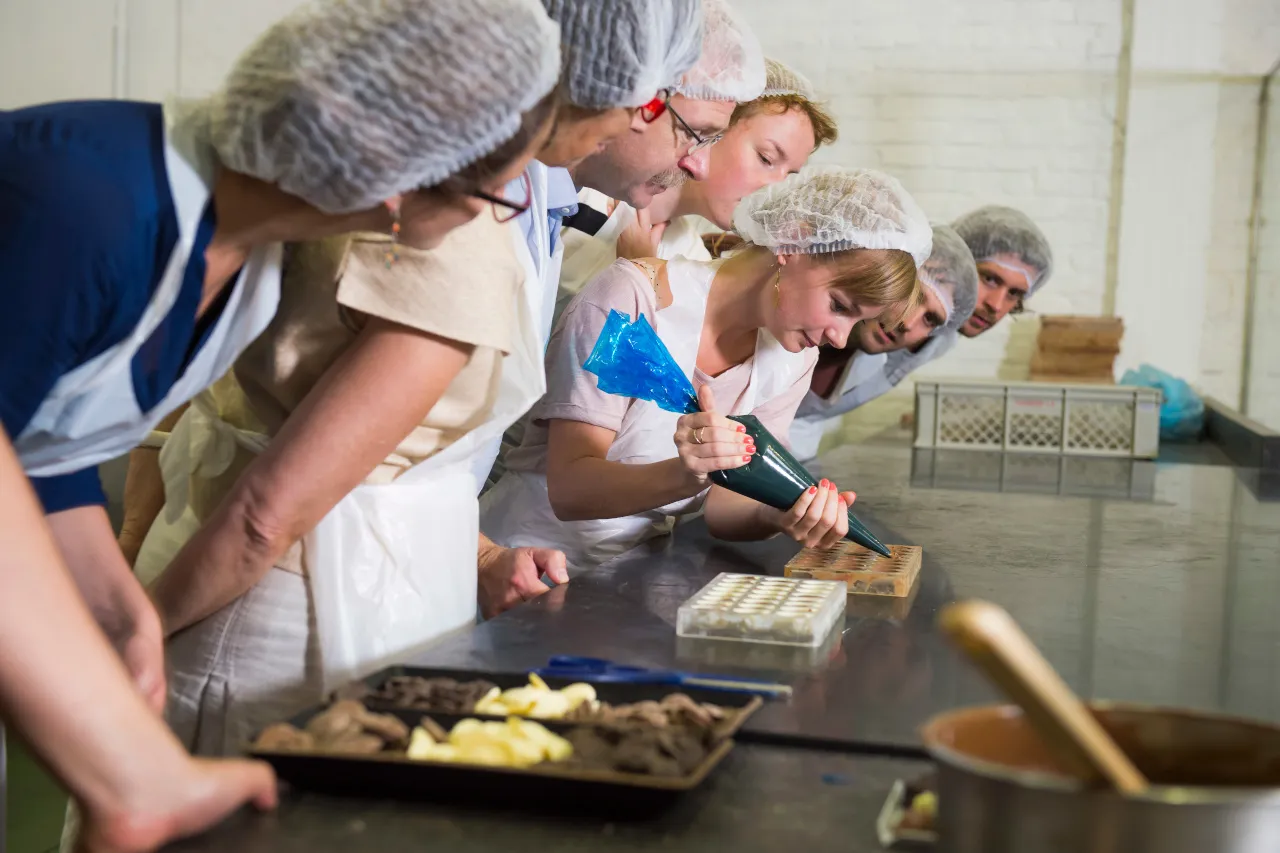
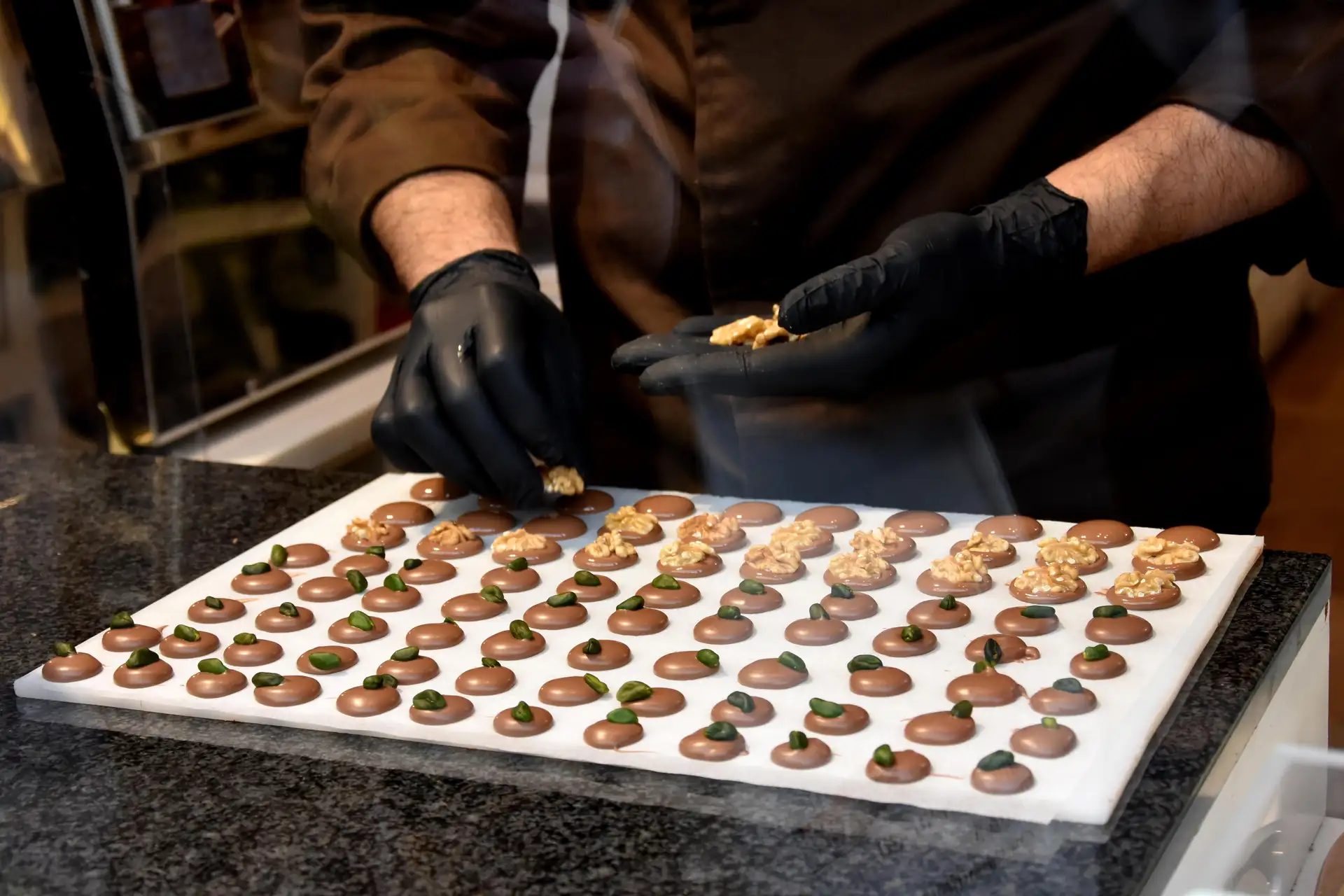
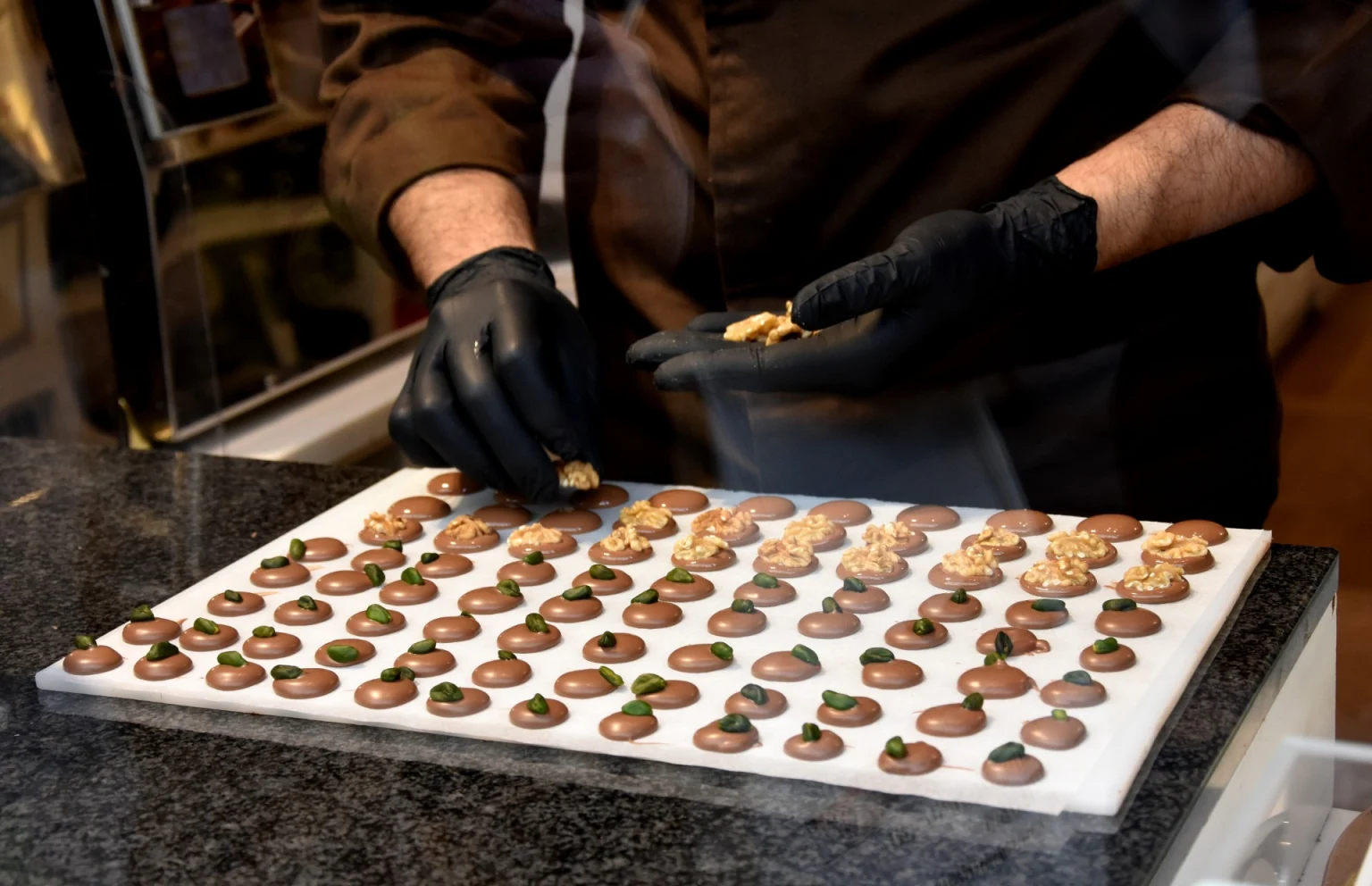
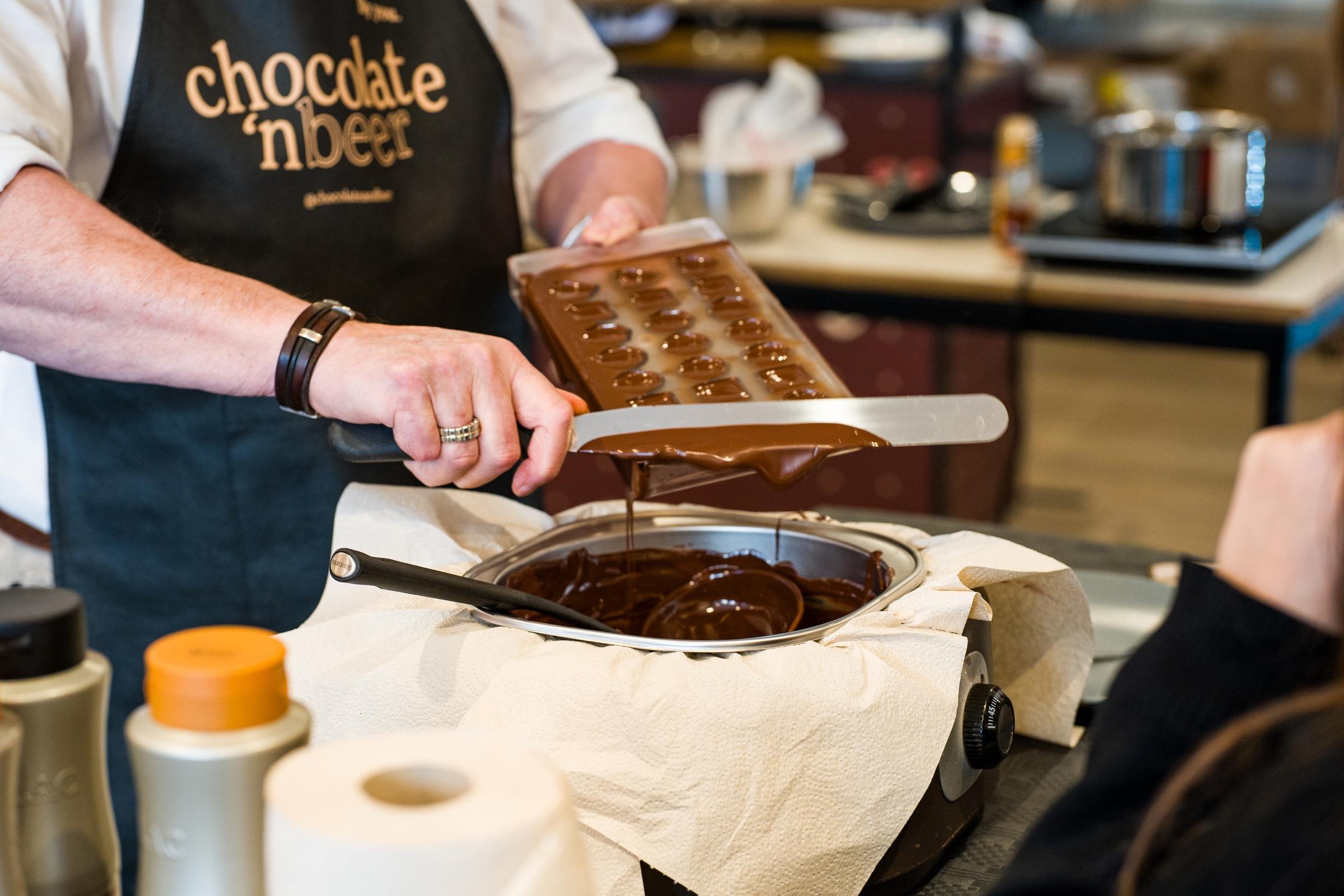
Watch a master chocolatier demonstrate the precise art of filling and shaping Belgian pralines.
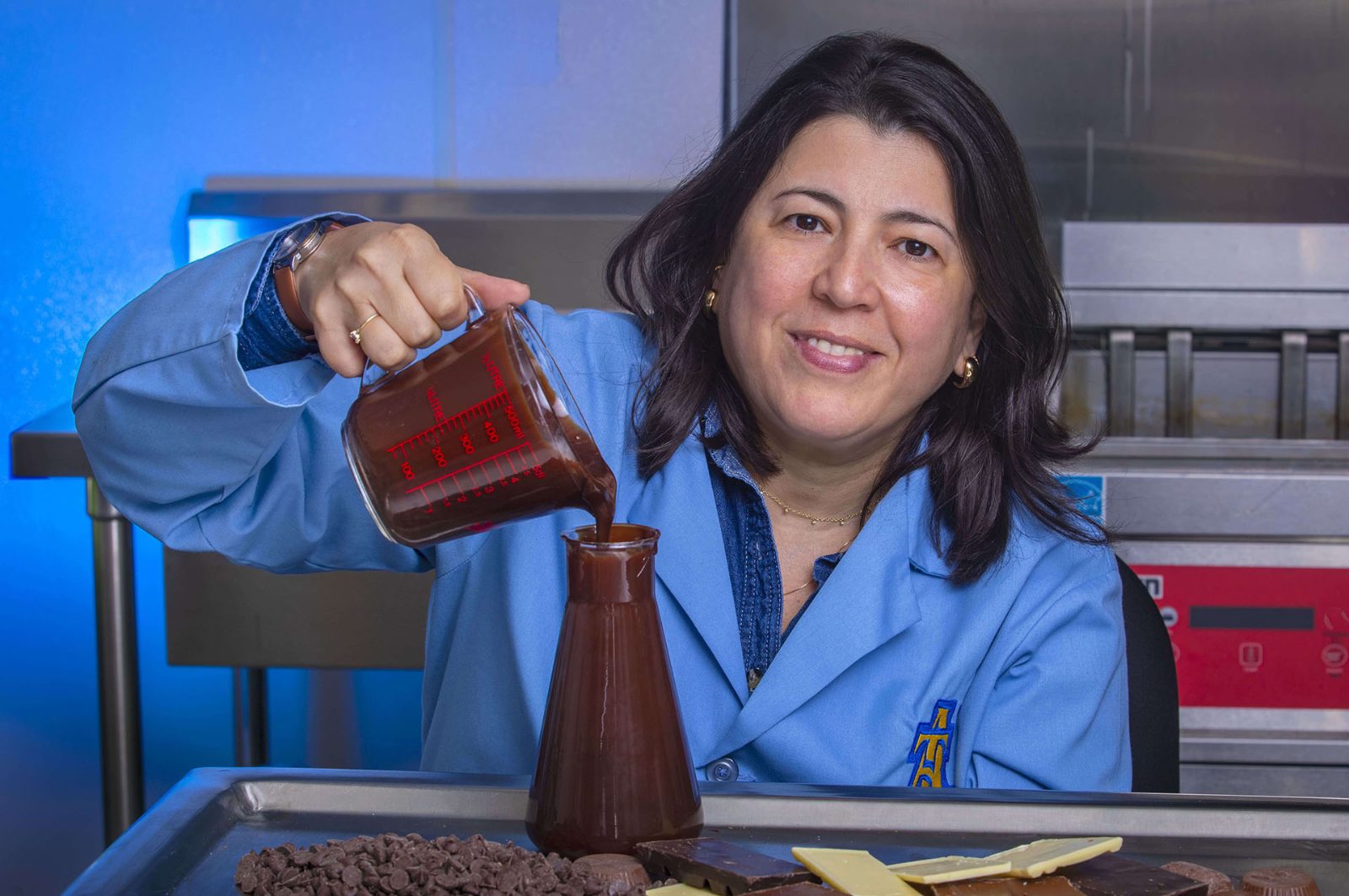
Access an extensive collection of works and recipes dedicated to the culture of chocolate.
View the unique collection of historical objects including a famous display for younger visitors.
Every Bruges Chocolate Workshop tour side-by-side — duration, what's included, how you redeem.
| Experience | Duration | Rating | Skip-the-line | Guide | Small group | Free cancel. | Price | |
|---|---|---|---|---|---|---|---|---|
|
Guided Experience Most popular
Bruges Canal Cruise, Walking Tour & Chocolate Tasting
|
2 hr 30 min | ★ 4.8 | ✓ | ✓ | ✓ | ✓ | €44 | Book → |
|
Guided Experience
Historic Bruges Walking Tour with Chocolate Tasting
|
3 hr | ★ 4.4 | ✓ | ✓ | ✓ | ✓ | €25 | Book → |
|
Standard Entry
Choco-Story Bruges Museum Experience
|
1 hr 30 min | ★ 4.2 | — | — | — | ✓ | €16 | Book → |
All prices from verified partners. Availability and exact terms confirmed at checkout.
These institutions complement each other, with the chocolate experience offering hands-on candy crafting while the Frietmuseum provides an educational deep-dive into Belgian potato history. Visitors prioritizing active participation should book a bruges chocolate workshop, while those intrigued by culinary heritage often prefer the museum dedicated to fried snacks.
| Feature | Top pick Choco-Story | Frietmuseum |
|---|---|---|
Primary Focus |
Cocoa production and confectionary | Belgian fry history and cultivation |
Interactive Elements |
Chocolate making demonstrations | Antique potato peelers and displays |
Suitability for Kids |
High with tasting activities | High with scavenger hunts |
Visitor Experience |
Sensory craft focus | Cultural education and artifacts |
Average Duration |
1.5–2 hours | 1–1.5 hours |
| See tickets → |
Verdict: Choose this bruges chocolate workshop tour to engage your senses, or opt for the Frietmuseum for a quirky look at a national staple; booking bruges chocolate workshop tickets early is recommended for both experiences.
Choose your ticket, select your date, and reserve in under two minutes. Secure checkout handled by our verified partner.
Instant confirmation by email, with a mobile voucher you can save offline. No printing, no queuing at a collection desk.
Arrive at the entrance, show your voucher on your phone, and walk in. Most tickets include priority or skip-the-line access.
Practical details for Bruges Chocolate Workshop tickets straight from our verified partners — hours, access, rules, and how to get there.
Wijnzakstraat 2, 8000 Brugge
Main museum entrance
Open in Google MapsTake a bus from the train station to the Market Place and walk to the museum.
Casual attire is appropriate for visiting the Choco-Story Bruges site. Comfortable walking shoes are recommended due to the historical architecture and multiple levels.
Large backpacks are prohibited inside Choco-Story Bruges. A small, unsupervised open cloakroom is available for personal items at your own risk.
Photography is permitted within Choco-Story Bruges for personal use. Capturing the chocolate-making demonstrations and historical displays is a highlight for many visitors.
Choco-Story Bruges has four steps at the entrance and no ramp. The facility is only partially accessible, and the lift does not reach the fourth floor.
Mobile phones are permitted for photos and navigation. Please be respectful of others during the live demonstration segments.
The museum offers interactive displays and specialized audio guides for children. Prams are permitted but are not recommended due to the steps and limited elevator access.
Tasting sessions are included in your visit to Choco-Story Bruges. No outside food or drink is permitted inside the exhibition areas.
No animals are allowed inside the museum premises. Only service animals are typically exempt, though prior inquiry is advised.
The tour experience lasts approximately 90 minutes. Remember to check the official Choco-Story Bruges website for any updates before your arrival.
Best time to go, insider tips, nearby landmarks, and the cancellation fine print — flip through to skim what matters to you.
How crowds, weather, and events shift across the year.
Expect higher crowds during August and July; arrive by 10:00 to maximize your experience.
Small details that turn a good visit into a great one.
Individual tickets are not required but highly recommended to avoid sellouts.
Non-bookable sights within a short walk — free to visit, easy to pair.
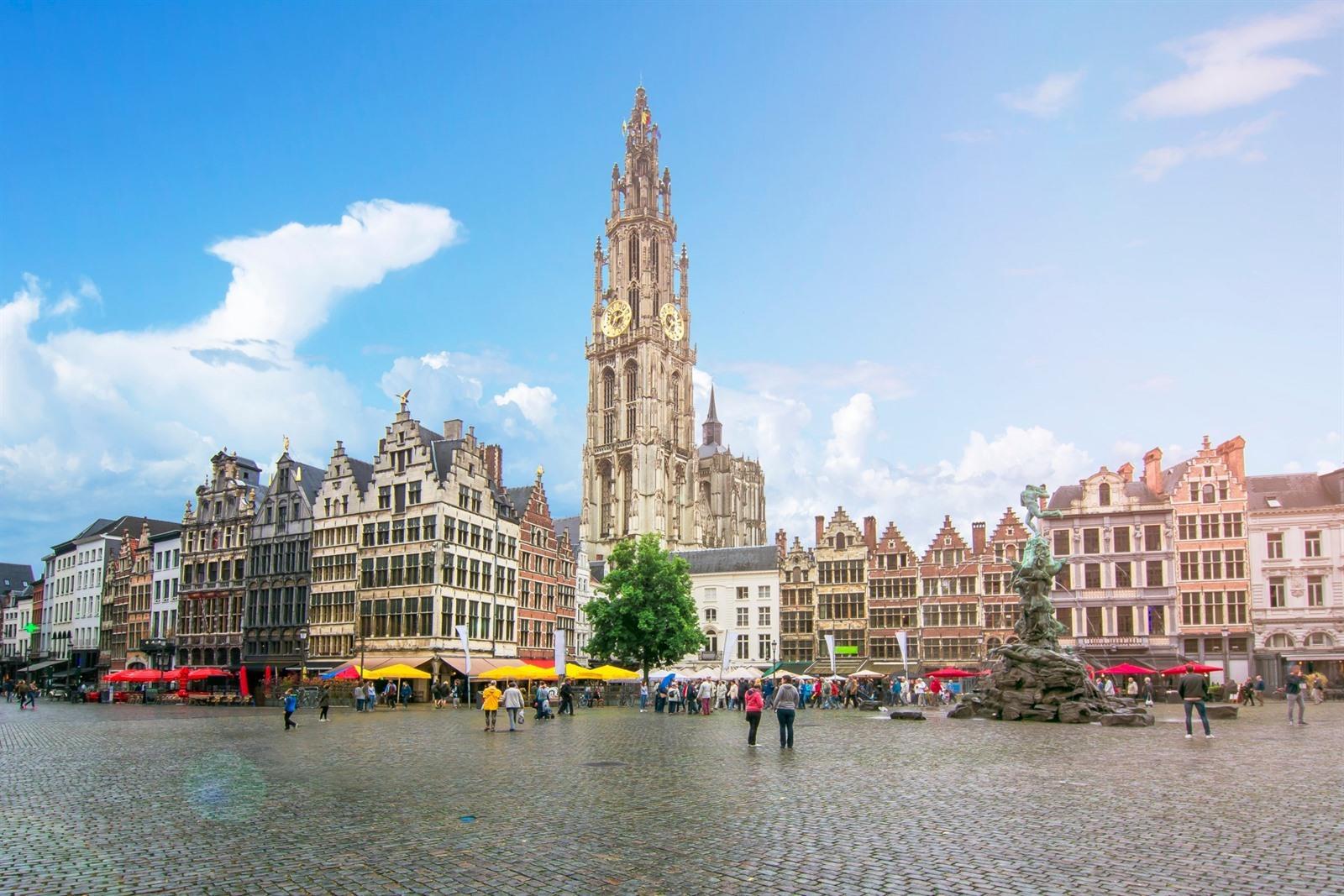
A iconic medieval bell tower offering city views.
Flexible, no hidden fees.
Individual tickets are non-refundable after purchase. Please ensure your travel dates align with your booking for Choco-Story Bruges.
Hand-picked options within walking distance — pick a district for vibe, or a specific hotel for convenience.
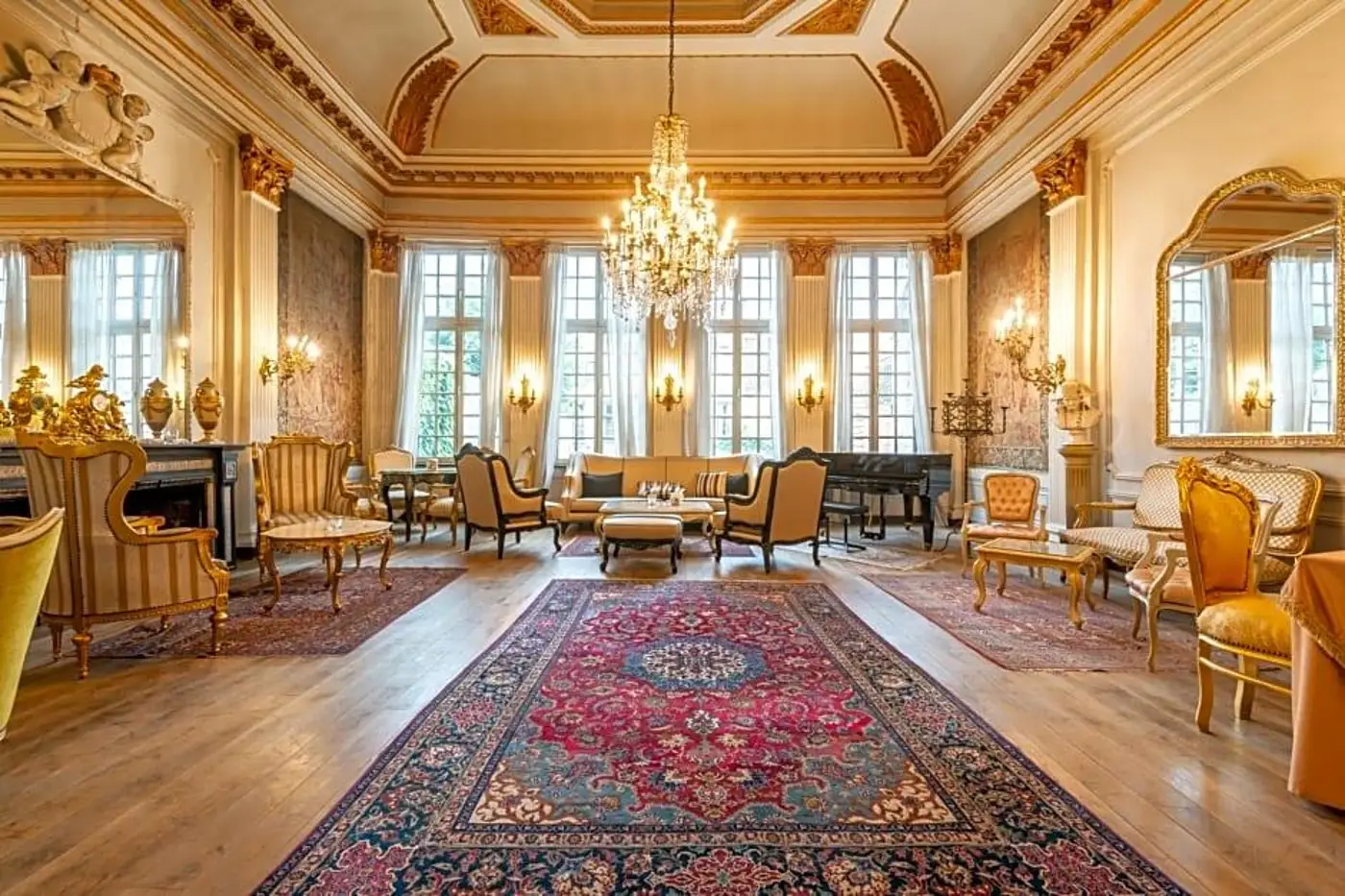
A historic hotel in the heart of the city.
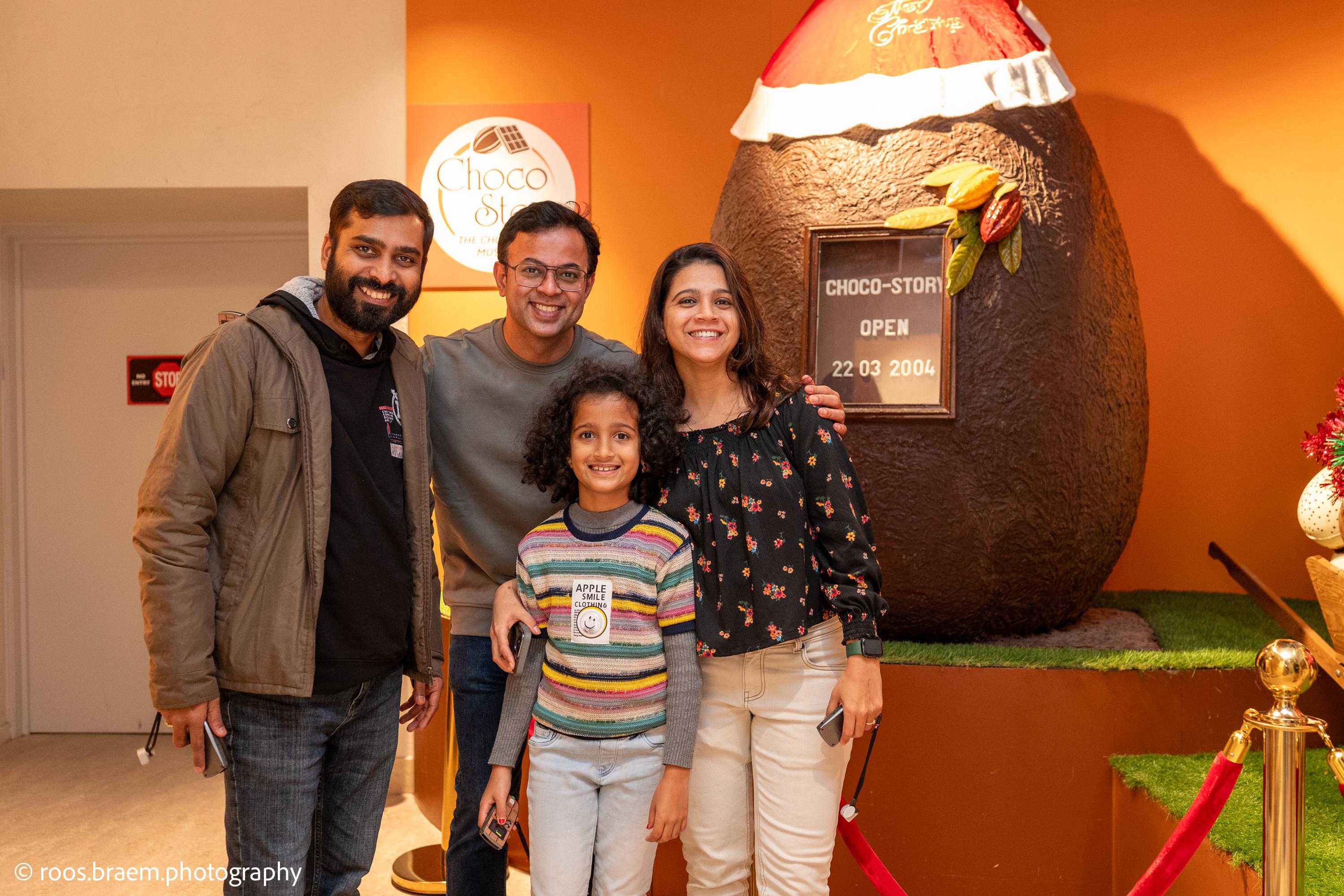
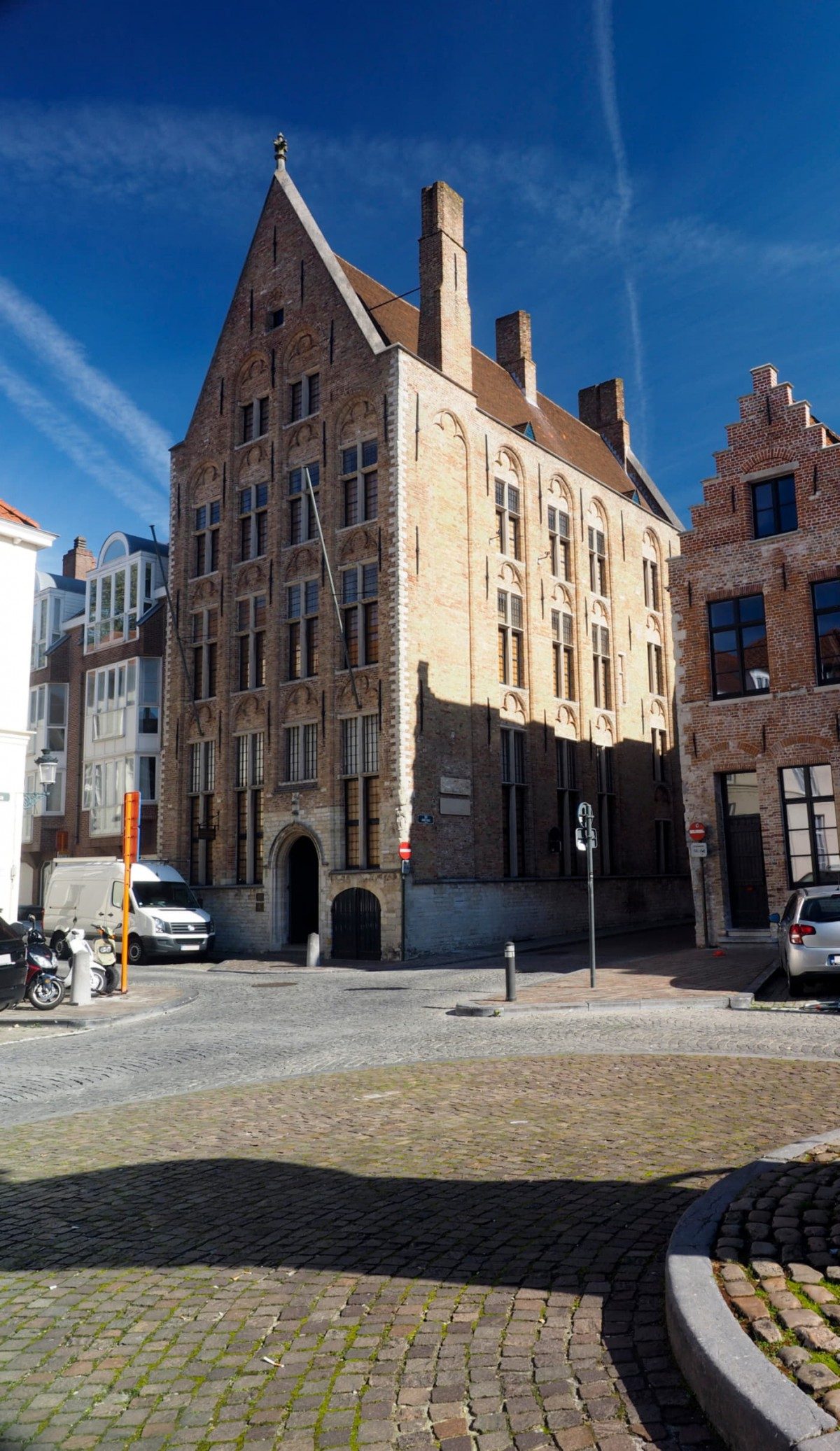
Belgium produces 220,000 tonnes of chocolate annually, yet its oldest dedicated museum occupies a narrow medieval townhouse just steps from the Markt. Choco-Story Bruges opened in 2004 inside a 15th-century wine merchant's residence, its brick façade and stepped gable unchanged since the Burgundian era.
The institution's founders — the Van Belle family, fourth-generation chocolatiers from West Flanders — assembled a collection of pre-Columbian cacao vessels, colonial-era grinding stones, and Belle Époque advertising lithographs that chart chocolate's journey from Mesoamerican ritual drink to European confection. The museum's lower gallery holds cast-iron roasters and hand-cranked conching machines that processed cocoa mass in Bruges ateliers a century ago, when the city's port still received raw beans from Ghent refineries.
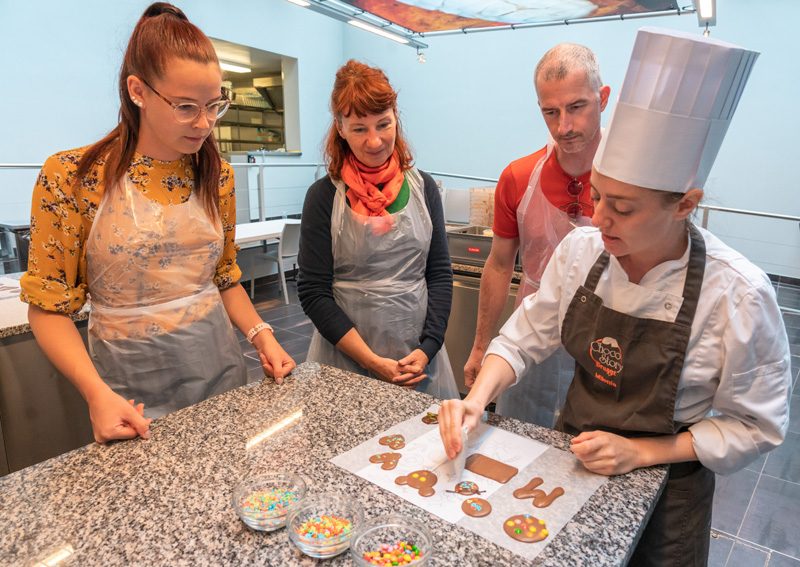
Today the Bruges chocolate workshop draws 85,000 visitors each year, a third of them families seeking the hands-on praline demonstration held in the museum's upper studio. The workshop occupies a vaulted chamber where apprentices once stored Madeira casks; now steel tempering tables and induction hobs line the walls, and the air carries the toasted-nut scent of couverture held at 31 degrees Celsius. Guided sessions run every 45 minutes between 10:30 and 16:30, led by resident chocolatiers who explain the seeding method for tempering Belgian dark chocolate and the role of cocoa butter crystallisation in achieving snap and gloss. Participants mould two truffles each — one filled with hazelnut gianduja, the other with salted caramel ganache — then coat them in tempered couverture before a five-minute cooling cycle. The process mirrors techniques refined in Bruges' artisan workshops since the 1920s, when pralines replaced hard-shelled bonbons as the city's signature export.
The museum's permanent collection spans three floors and 4,000 years of cacao cultivation. Ground-floor vitrines display Mayan funerary vessels incised with cacao-pod glyphs, alongside 17th-century Spanish manuscripts describing the beverage's preparation with vanilla, chilli, and achiote. A second-floor gallery reconstructs an Aztec tribute ceremony, complete with quetzal-feather headdresses and obsidian blades, while adjacent cases hold Belle Époque chocolate moulds shaped as locomotives, zeppelins, and Art Nouveau maidens. The top floor chronicles Belgium's 20th-century dominance in praline manufacture, with vintage tins from Neuhaus, Godiva, and Côte d'Or arranged beneath sepia photographs of Bruges' former chocolate quarter, where sixty ateliers operated along the Dijver canal between the wars. Visitors seeking a Bruges chocolate workshop review consistently cite the museum's depth — artefacts chosen for historical precision rather than novelty — and the studio's unhurried teaching pace, which accommodates children as young as six without diluting the technical content.
Choco-Story's location on Wijnzakstraat, a cobbled lane linking the Burg square to the city's lace quarter, places it within a five-minute walk of the Basilica of the Holy Blood and the Groeningemuseum's Flemish Primitive collection. The building shares a block with three independent Bruges chocolate shops — Dominique Persoone's The Chocolate Line, Spegelaere, and Dumon — whose window displays of hand-painted bonbons and sculpted Easter eggs underscore the city's unbroken artisan tradition. For travellers planning a Bruges chocolate making tour, the museum's 10:00 opening allows time to complete the workshop and tasting circuit before the midday canal-boat queues form along the Rozenhoedkaai. The studio's compact scale — twenty participants maximum per session — and the absence of pre-recorded audio guides preserve the intimacy of a working atelier, where tempering curves and crystallisation phases are explained in real time rather than performed as theatre.
"The museum's founders assembled pre-Columbian cacao vessels and Belle Époque lithographs that chart chocolate's journey from Mesoamerican ritual to European confection."
A step-by-step walkthrough of Bruges Chocolate Workshop tickets — what you'll see, how long each stage takes, and the details that matter.
You arrive at Wijnzakstraat 2 ten minutes before your booked session, the museum's arched doorway set beneath a brick gable that has framed this lane since Bruges was a Hanseatic port.
You climb four shallow stone steps into the ticket hall, where a corridor lined with Victorian advertising posters leads to the ground-floor galleries. You begin with the Mayan vitrines — cylindrical vessels incised with cacao glyphs, their ochre clay surfaces polished smooth by fifteen centuries — then move through the Spanish colonial gallery, pausing at the manuscript describing Montezuma's daily consumption of fifty goblets of spiced chocolate. You ascend the spiral staircase to the Belle Époque floor, where cast-iron roasters and granite grinding wheels stand beneath sepia photographs of Bruges' early 20th-century chocolate quarter.
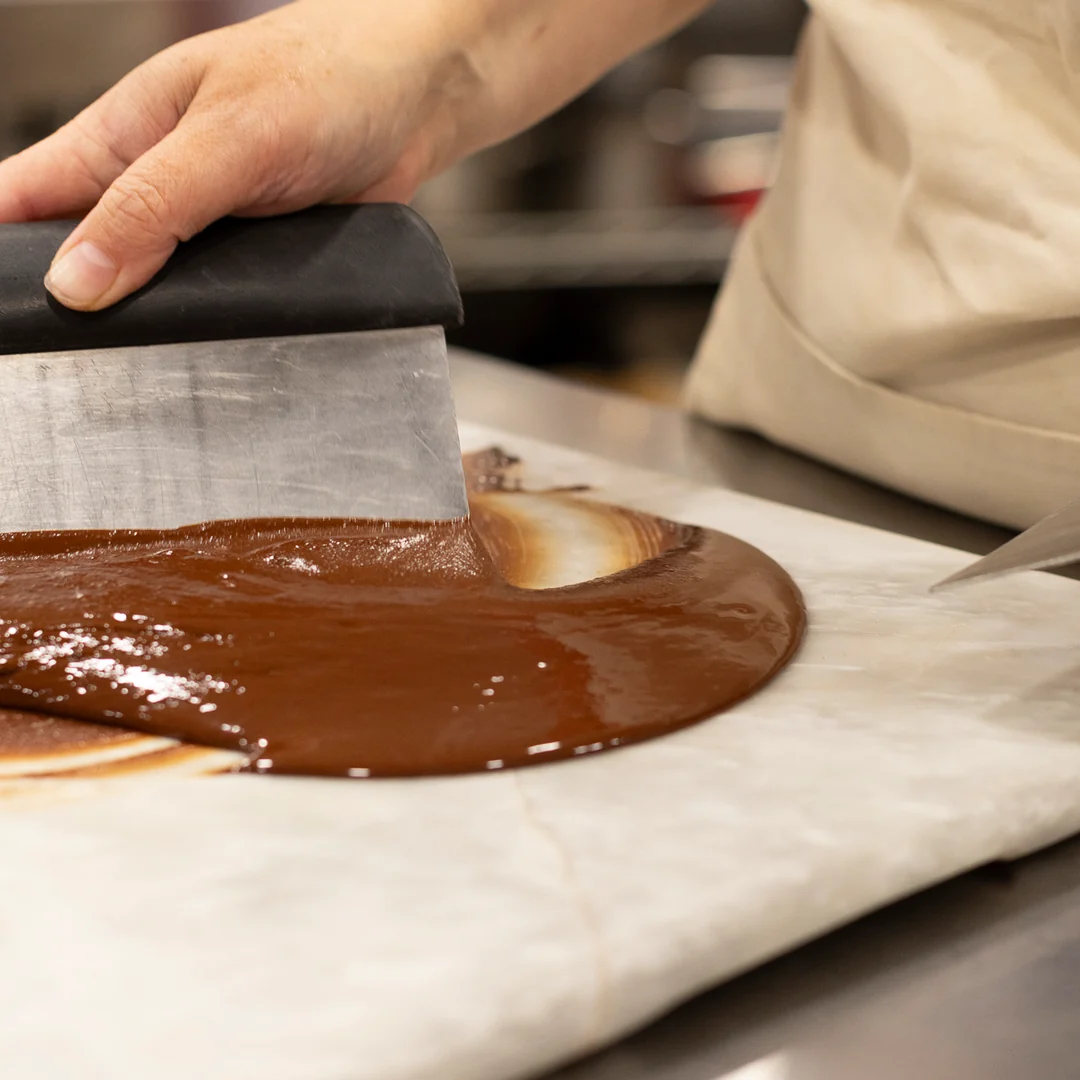
At 11:00 you enter the workshop studio on the top floor, a vaulted room where twelve tempering tables face a central demonstration bench. The chocolatier — white apron, hands dusted with cocoa powder — guides you through the seeding method: you stir couverture at 31 degrees, folding unmelted buttons into the molten mass until the mixture thickens to a glossy ribbon. You pipe hazelnut gianduja into silicone moulds, cap each cavity with tempered dark chocolate, then repeat the process with salted caramel ganache. Five minutes in the cooling tunnel and your truffles emerge with a matte finish and audible snap. You wrap them in waxed paper, collect a tasting box of three house pralines — passion fruit, Earl Grey, and Tonka bean — and descend to the ground-floor tasting bar, where complimentary samples of single-origin Ecuador and Madagascar bars wait beside printed cards explaining terroir and fermentation curves. You exit onto Wijnzakstraat at 12:15, the canal boats just beginning their midday circuit three blocks north.
Choco-Story Bruges is open every day from 10:00 to 18:00, with last entry at 17:00.
The museum is only partially accessible, featuring four steps at the entrance and limited elevator access.
Large backpacks are not allowed inside; use the small open cloakroom provided.
Yes, photography is permitted for personal use during your bruges chocolate workshop tour.
Visit between 10:00 and 16:00 on weekdays to ensure a relaxed experience at the museum.
The adult admission fee is 16 EUR per person.
Yes, the museum is family-friendly and provides interactive elements for children.
Public parking is available in the city center, but the site itself does not provide private parking.
Individual tickets are non-refundable; check your specific booking platform for details.